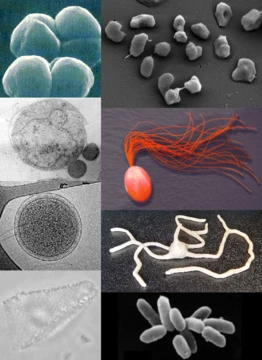
Prokaryote
Single-celled organisms without a nucleus, foundational to life on Earth.

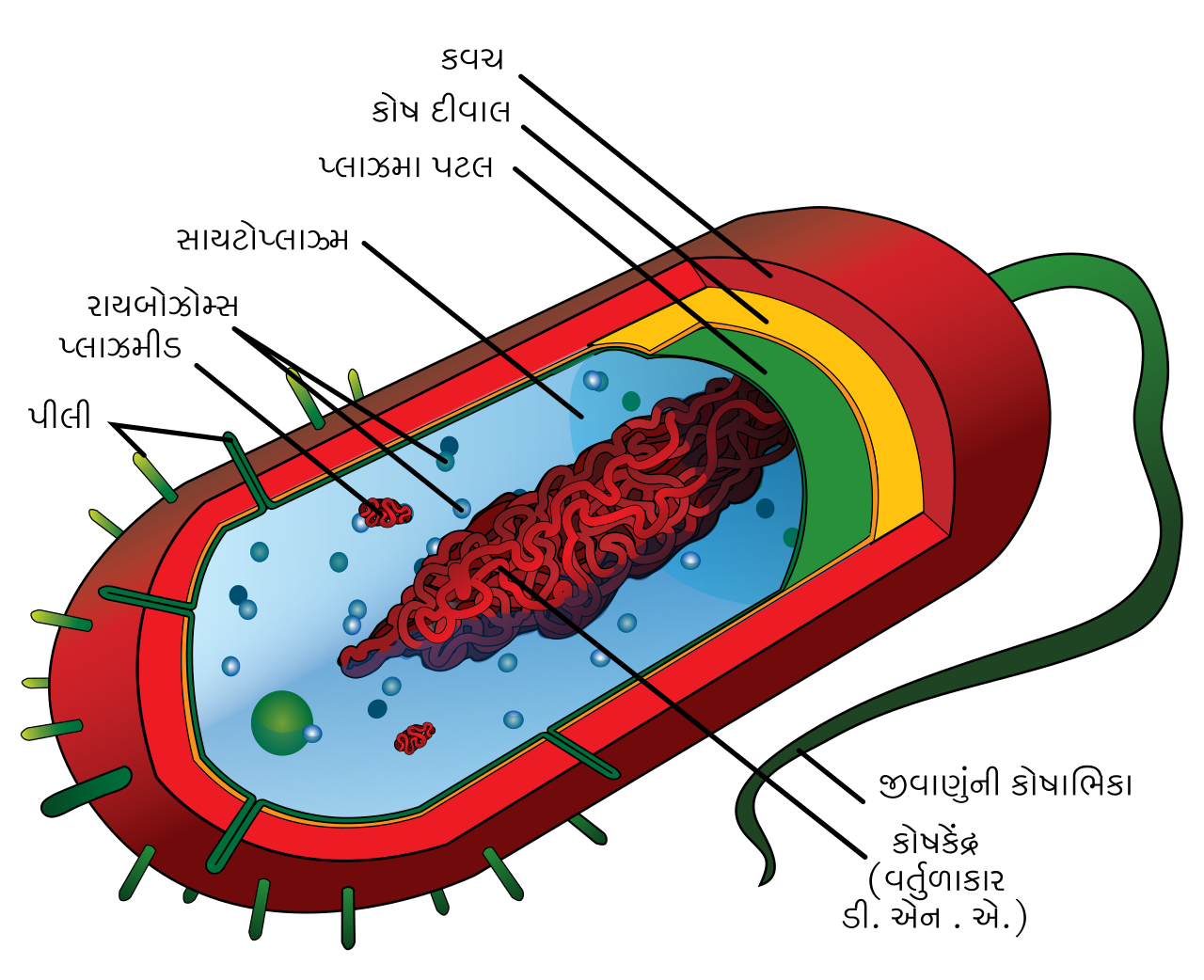
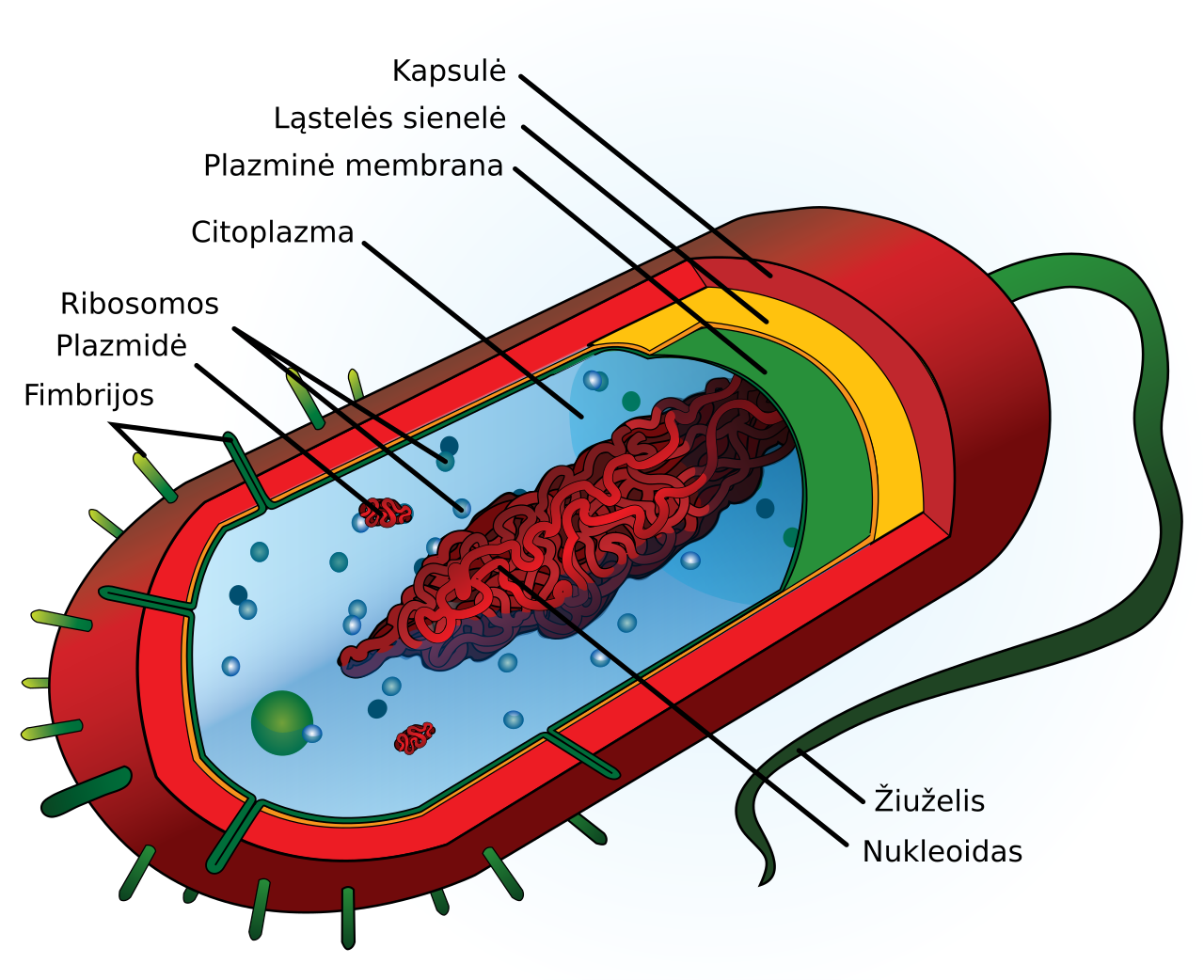
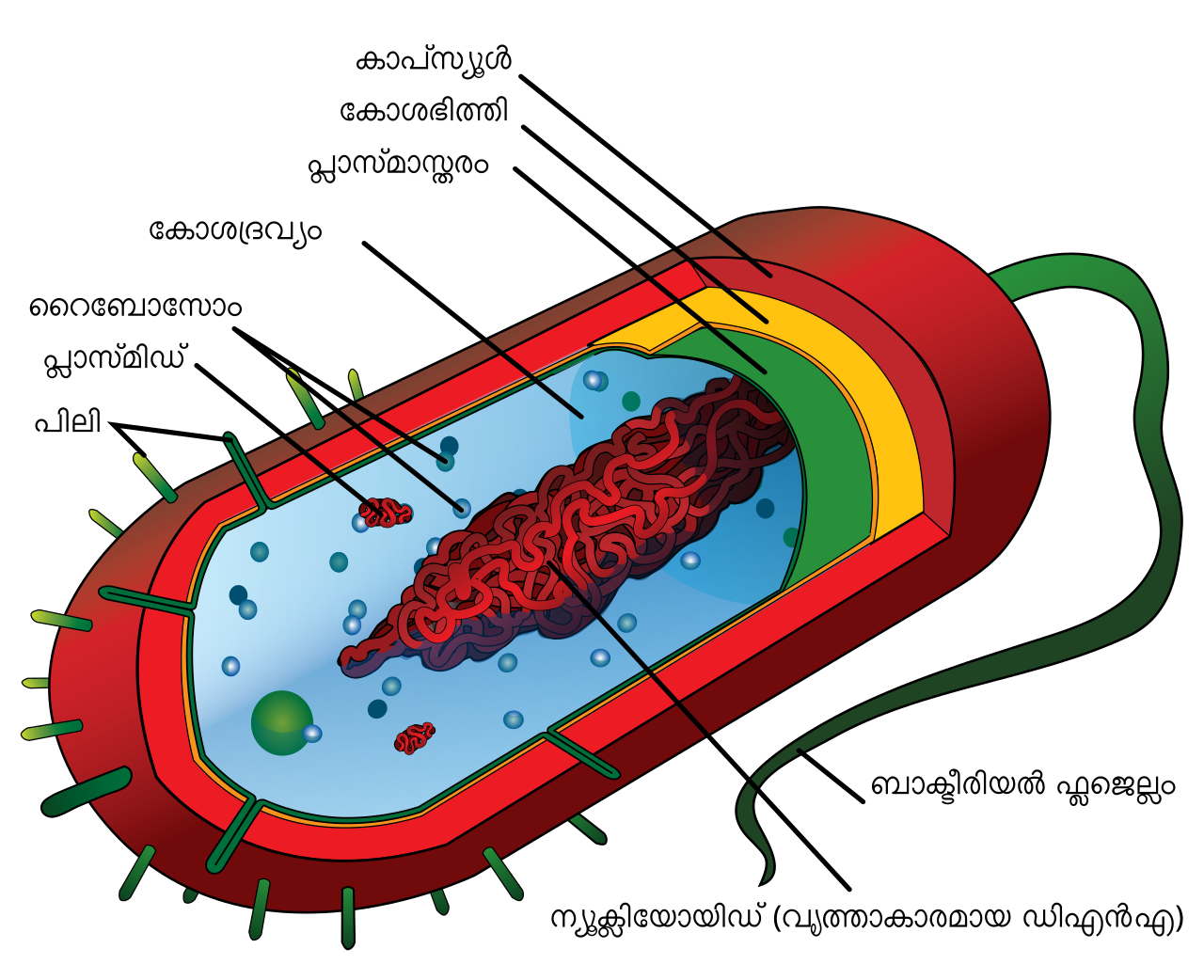
Mariana Ruiz Villarreal, LadyofHats translated in gujarati by User:Sushant_savla · CC0
Prokaryotes are cellular organisms that lack a distinct cell nucleus and other membrane-bound organelles. They are among the earliest known life forms on Earth, having evolved from pre-cellular ancestors, and play crucial roles in global biogeochemical cycles as primary producers and biodegraders.
- known_for
- Lack of membrane-bound nucleus; division into Bacteria and Archaea; earliest life forms; binary fission reproduction; horizontal gene transfer; includes Thiomargarita magnifica, which can reach up to
Lore & Background
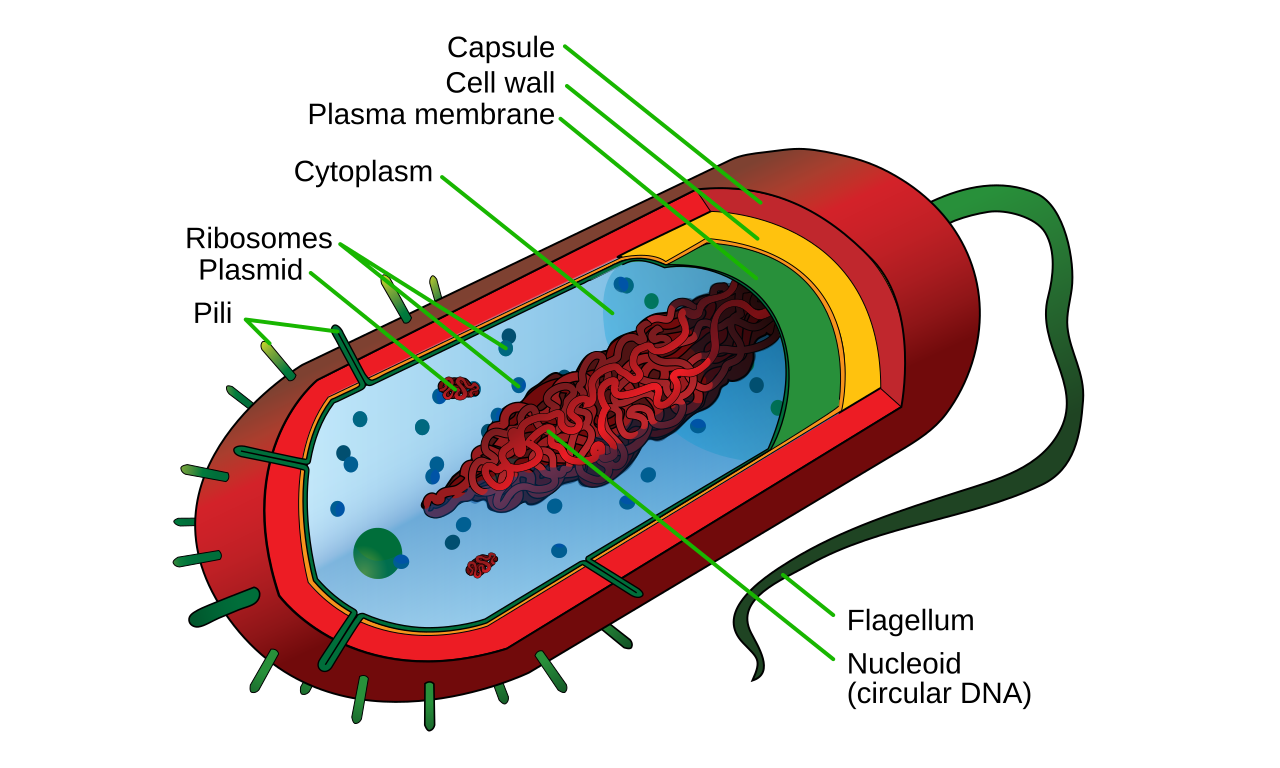
Prokaryotes are single-celled microorganisms that reproduce asexually via binary fission, though horizontal gene transfer is common. They include bacteria and archaea, the latter originally thought to be extremophiles. Their cellular components are not enclosed in membranes; they have simple cell skeletons containing homologues of eukaryotic actin and tubulin. Most prokaryotes range from 0.5 μm to 5 μm in size, though the largest known, Thiomargarita magnifica, can reach up to 2 cm—an extreme exception. They exhibit diverse shapes such as cocci, bacilli, and spirals. Prokaryotes live nearly everywhere on Earth, from Antarctic soils to hydrothermal vents. Some are pathogenic, while others are extremophiles thriving in high temperatures or salinity. Archaea include methanogens living in anoxic environments. Prokaryotes form biofilms and colonies, with some like cyanobacteria creating stromatolites preserved in the fossil record. The oldest fossilized prokaryotes date to approximately 3.5 billion years ago. The distinction between prokaryotes and eukaryotes was established by Roger Stanier and C. B. In 1977, Carl Woese proposed dividing prokaryotes into Bacteria and Archaea based on genetic differences. The three-domain system places prokaryotes in Bacteria and Archaea, with Eukaryota as a separate domain—not nested under Archaea. (The idea that Eukaryota is a clade within Archaea is a later two-domain hypothesis, not the standard three-domain system.)
Reader's Guide
Prokaryotes are foundational to understanding life's origins and evolution. They represent the earliest cellular organisms, with fossils dating back 3.5 billion years. Their metabolic diversity far exceeds that of eukaryotes, enabling them to inhabit extreme environments and drive essential nutrient cycles (carbon, nitrogen, phosphorus, oxygen). The division between prokaryotes and eukaryotes reflects two fundamental levels of cellular organization, with eukaryotes arising later through symbiogenesis—a merger of an archaean and an aerobic bacterium. Prokaryotes' ability to exchange DNA horizontally complicates traditional views of species and evolution. Soil prokaryotes remain undercharacterized despite their economic importance. The two-domain versus three-domain classification debate continues, with molecular phylogenetics showing eukaryotes may be part of the archaean clade.
Did You Know?
- Prokaryotes lack a membrane-enclosed nucleus and other membrane-bound organelles.
- The oldest fossilized prokaryotes are about 3.5 billion years old.
- Some prokaryotes, like cyanobacteria, form colonies that create stromatolites preserved in the fossil record.
Taxonomic Identity and Deep Evolutionary Roots
The term prokaryote draws on Ancient Greek roots meaning 'before' and 'nut' or 'kernel,' a name that captures the defining feature of these organisms: the absence of a true nucleus and any membrane-bound organelles. In the older two-empire framework, all such organisms were lumped together under a single empire called Prokaryota. Modern molecular phylogenetics has since split them into two distinct domains—Bacteria and Archaea—while the third domain, Eukaryota, houses organisms with enclosed nuclei, mitochondria, and elaborate internal architecture. Interestingly, in a two-domain view, eukaryotes are sometimes nested within the archaean clade, reflecting multiple shared homologies that blur the old prokaryote-eukaryote boundary. The mitochondria themselves trace their origin to prokaryotic endosymbionts through a process called symbiogenesis. These lineages descend from a pre-cellular universal common ancestor, with a major diversification event occurring roughly 3.72 to 4.18 billion years ago, and the last universal common ancestor—described as 'prokaryote-grade'—emerging around 4.09 to 4.33 billion years ago.
Cellular Architecture and Morphological Range
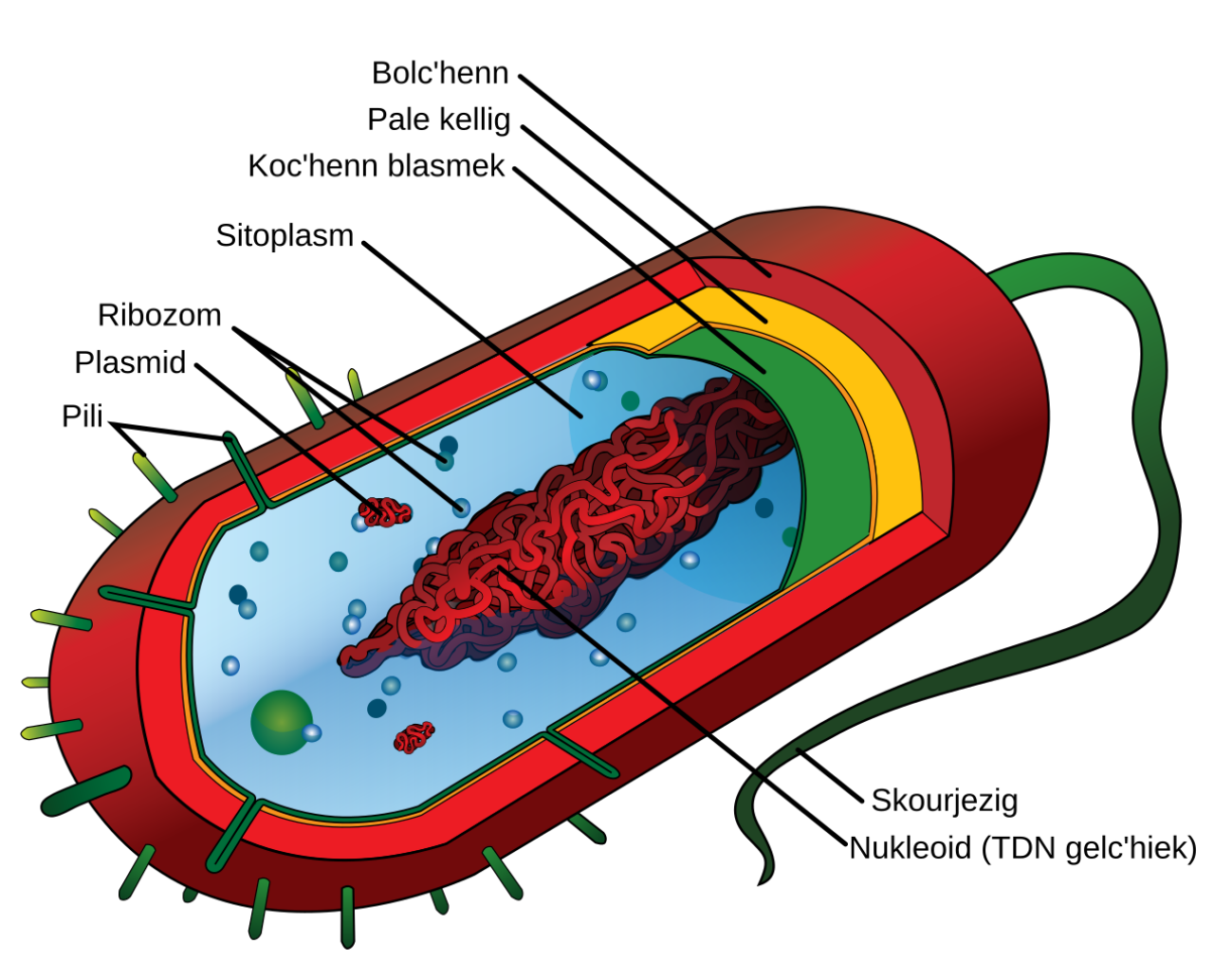
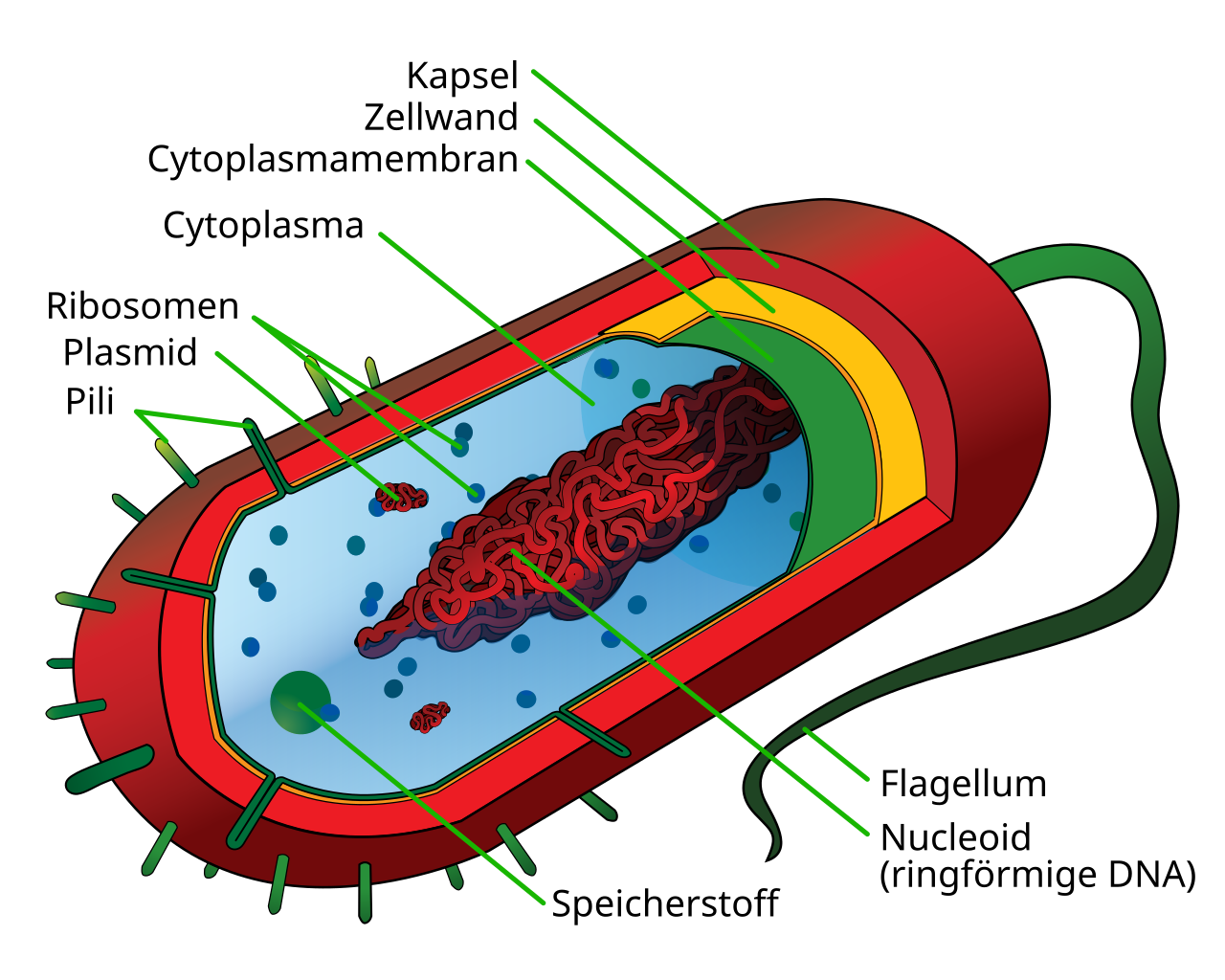
Despite their reputation for simplicity, prokaryotic cells display a surprising breadth of structural solutions. Their internal components are not partitioned by membranes the way eukaryotic organelles are, yet bacteria possess protein-shell microcompartments—such as encapsulin cages—that create quasi-organelle spaces, and both bacteria and certain archaea build gas vesicles for buoyancy. Their cytoskeletons, though simple, include homologues of the eukaryotic proteins actin and tubulin, granting cells the capacity for internal movement. Morphology is equally diverse. Bacteria appear as spherical or ovoid cocci (for example, Streptococcus), cylindrical bacilli (Lactobacillus), spiral forms (Helicobacter), or comma-shaped cells (Vibrio). Archaea tend toward simple ovoid shapes, with the notable exception of Haloquadratum, which is flat and square.
Asexual Reproduction and the Machinery of Gene Exchange
Prokaryotes reproduce asexually, most commonly through binary fission, a straightforward splitting process. Yet their genetic landscapes are far from static, because horizontal gene transfer—recombination without replication—is widespread. In bacteria, three principal routes exist. Transduction occurs when bacteriophage viruses accidentally package fragments of bacterial DNA during assembly errors and deliver them to a new host cell; at least three mechanistic variants are known. Conjugation relies on plasmids that shuttle DNA directly from one bacterium to another, and on rare occasions a plasmid integrates into the chromosome, dragging host DNA along. Natural transformation is a more elaborate adaptation: a bacterium enters a physiological state called competence—requiring roughly 40 genes in Bacillus subtilis—and pulls extracellular DNA from the surrounding water, sometimes incorporating up to a third of an entire chromosome. This process is documented in at least 67 bacterial species. Among archaea, the strategies differ: Haloferax volcanii builds cytoplasmic bridges between neighbouring cells, while Sulfolobus solfataricus transfers DNA through direct cell-to-cell contact, a process triggered by DNA-damaging agents that may boost homologous recombination for repair.
Biofilm Communities and Planetary Ecological Roles
Although every prokaryote is fundamentally a single cell, the vast majority can assemble into stable, structured communities called biofilms. Bacteria secrete extracellular polymeric substance to glue these matrices together, forming dome-shaped microcolonies separated by water-filled channels that function almost like a primitive circulatory system, delivering oxygen to cells that would otherwise starve. These structures can attach to solid surfaces or float at liquid-air interfaces, and they exhibit collective behaviours—quorum sensing, differential gene expression, programmed cell death, and coordinated dispersal—that approach multicellular organisation. Some lineages, like myxobacteria, even pass through genuinely multicellular life-cycle stages. Cyanobacterial biofilms, when mineralised over geological time, become stromatolites preserved in the fossil record. Beyond their structural ingenuity, prokaryotes serve as essential biodegraders and primary producers in both aquatic and terrestrial ecosystems, driving the planet's carbon, nitrogen, phosphorus, and oxygen cycles. Their biofilms can resist antibiotics up to one hundred times more effectively than free-living cells, making them remarkably persistent colonisers of surfaces.
Gallery
Frequently Asked Questions
Who is Prokaryote in the series?
Prokaryote is the entry covering single-celled organisms that lack a membrane-bound nucleus and other membrane-bound organelles. The group splits into two major lineages—Bacteria and Archaea—and represents some of the oldest life ever documented on Earth.
What are Prokaryote's signature abilities?
They reproduce by binary fission and can exchange genetic material through horizontal gene transfer, giving them extraordinary adaptability. The group also includes Thiomargarita magnifica, a species that can grow large enough to be seen with the naked eye.
What role does Prokaryote play in the ecosystem?
Prokaryotes act as both primary producers and biodegraders, powering the global biogeochemical cycles that recycle carbon, nitrogen, and other essential elements. Without their metabolic work, nutrient flow through virtually every ecosystem would grind to a halt.
Why is Prokaryote considered foundational to all life?
They evolved from pre-cellular ancestors and are among the earliest known life forms, predating complex eukaryotic cells by billions of years. Nearly every habitat on Earth depends on their chemical activities to sustain food webs and atmospheric composition.
How does Prokaryote's story end?
It effectively doesn't—they remain one of the most abundant and persistent life forms on the planet, with no known endpoint in their evolutionary arc. Their metabolic versatility means they will likely outlast far more specialized organisms in any future scenario.
More in Microbial Groups And Extremophiles 1-17
Spotted an error? Know more?
This is a living reference — every entry is fact-audited, and reader corrections feed straight into our audit queue. Suggest an edit · See this site's audit record