Rhizobia
Soil bacteria that fix nitrogen in legume root nodules.

Gustavo Santoyo, Paulina Guzmán-Guzmán, Fannie Isela Parra-Cota, Sergio de los S · CC BY-SA 4.0
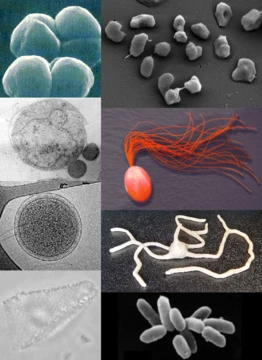
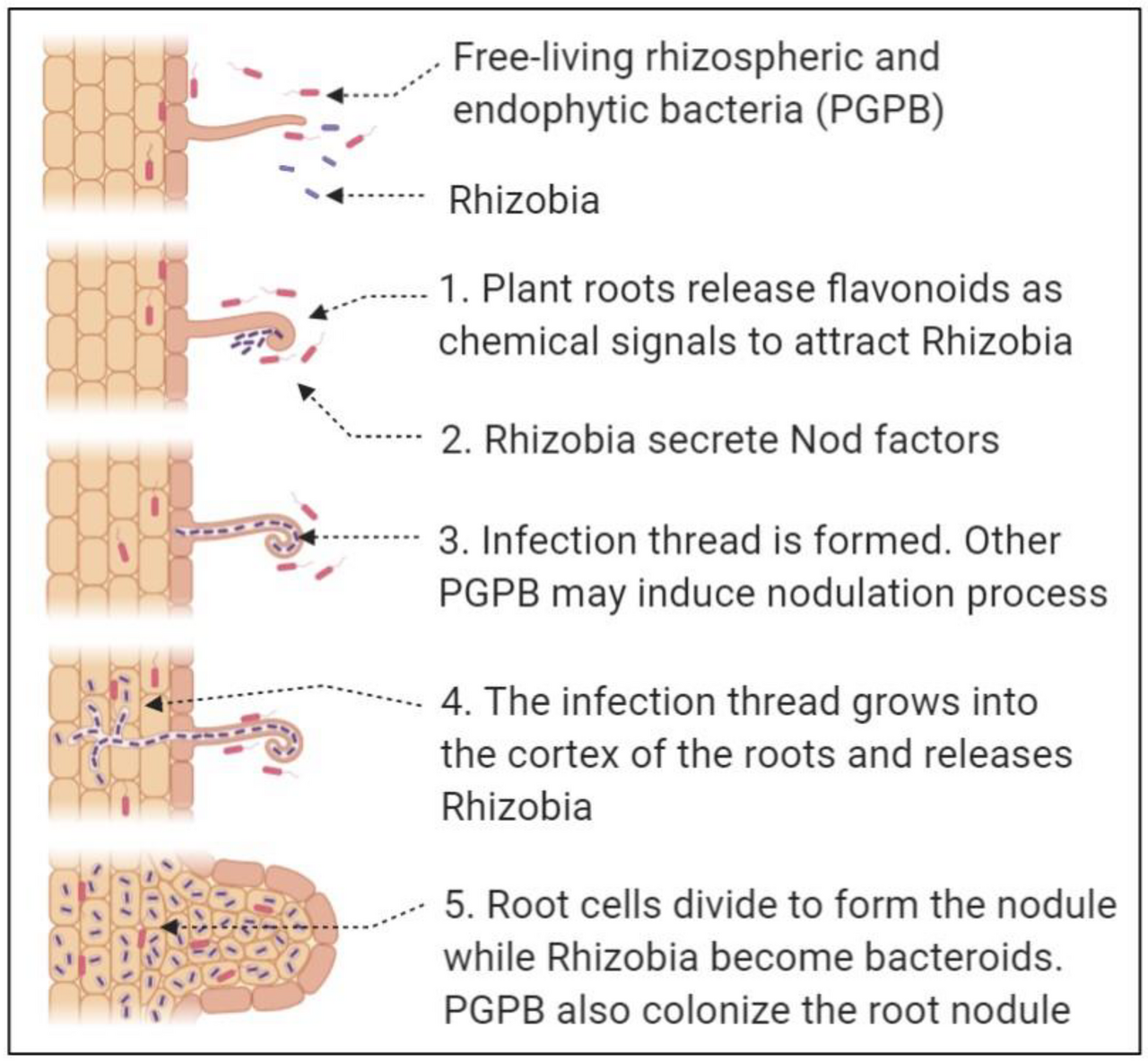
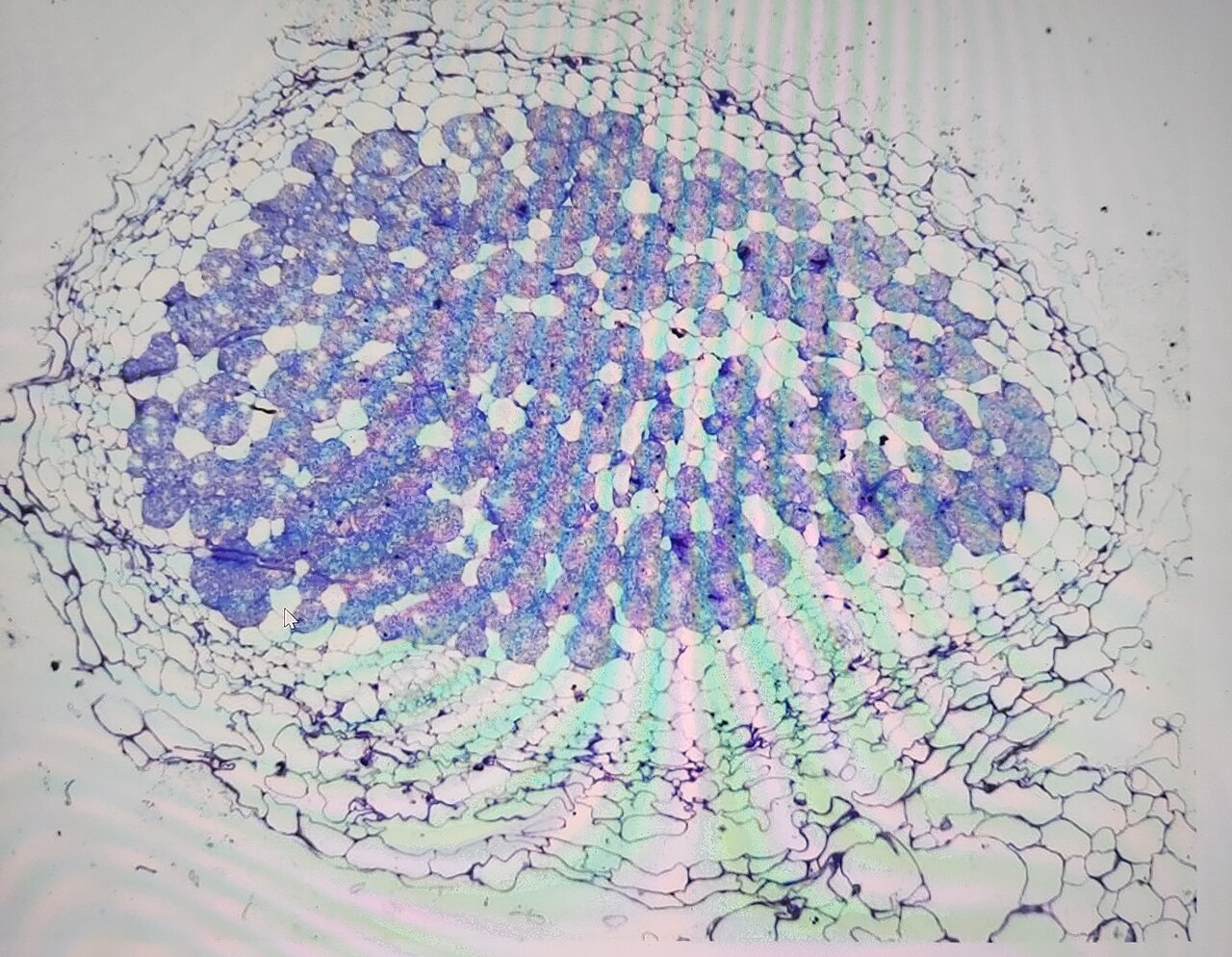
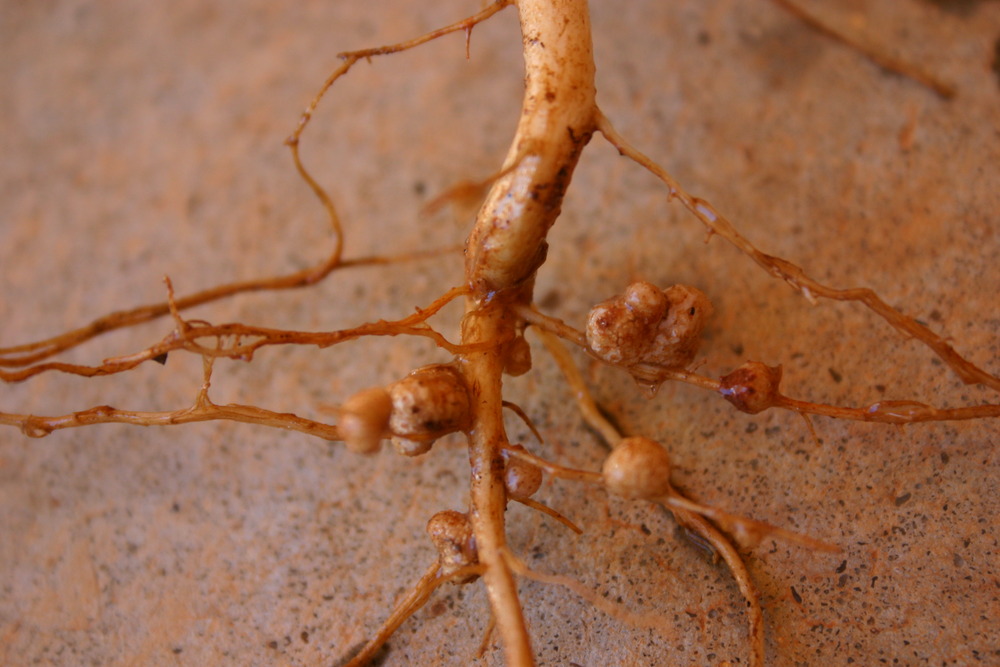
Rhizobia are a group of soil bacteria that infect the roots of legumes to form root nodules. They are diazotrophic bacteria that fix nitrogen after becoming established inside the root nodules of legumes (Fabaceae). To express genes for nitrogen fixation, rhizobia require a plant host; they cannot independently fix nitrogen. In general, they are gram negative, motile, non-sporulating rods. Rhizobia are found in the soil and, after infection, produce nodules in the legume where they fix nitrogen gas (N2) from the atmosphere, turning it into a more readily useful form of nitrogen: ammonia (NH3). From here, the nitrogen is exported from the nodules and used for growth in the legume. Once the legume dies, the nodule breaks down and releases the rhizobia back into the soil, where they can live individually or reinfect a new legume host.
- field
- Microbiology, Agriculture
- known_for
- Nitrogen fixation in symbiosis with legumes
- type
- Paraphyletic group of bacteria
- classes
- Alphaproteobacteria and Betaproteobacteria (Pseudomonadota)
Lore & Background
Most research has been done on crop and forage legumes such as clover, alfalfa, beans, peas, and soybeans; more research is being done on North American legumes. Rhizobia are a paraphyletic group that fall into two classes of Pseudomonadota—the alphaproteobacteria and betaproteobacteria. Most belong to the order Hyphomicrobiales, but several rhizobia occur in distinct bacterial orders of the Pseudomonadota. These groups include a variety of non-symbiotic bacteria; for instance, the plant pathogen Agrobacterium is a closer relative of Rhizobium than the Bradyrhizobium that nodulate soybean.
Reader's Guide
Rhizobia are significant because they are the only nitrogen-fixing bacteria living in a symbiotic relationship with legumes, converting atmospheric nitrogen into ammonia that plants can use. This process is especially important when nitrogen fertilizer is not used, as in organic rotation schemes or in some less-industrialized countries. Nitrogen is the most commonly deficient nutrient in many soils around the world, and the supply of nitrogen through fertilizers has severe environmental concerns. Specific strains of rhizobia are required to make functional nodules on the roots able to fix N2. Inoculation with rhizobia tends to increase yield and has been found to increase legume resistance to insect herbivores, particularly when several species of rhizobia are present. Legume inoculation has been an agricultural practice for many years; 12–20 million hectares of soybeans are inoculated annually. After the harvest of the crop, there are higher levels of soil nitrate, which can then be used by the next crop. The legume–rhizobium symbiosis is a classic example of mutualism, though cheater strains may hoard plant resources without fixing nitrogen. Two main hypotheses—the sanctions hypothesis and the partner choice hypothesis—attempt to explain how this symbiosis is maintained, though the article notes that both may occur in nature and that some studies have found no evidence of sanctions.
Did You Know?
- Rhizobia cannot independently fix nitrogen; they require a plant host to express nitrogen fixation genes.
- Inside the nodule, rhizobia differentiate into bacteroids and fix nitrogen using the enzyme nitrogenase.
Gallery
Frequently Asked Questions
What are Rhizobia?
Rhizobia are a paraphyletic group of soil bacteria that form a symbiotic partnership with legume plants (Fabaceae) by infecting their roots and building specialized structures called nodules. They span the Alphaproteobacteria and Betaproteobacteria classes within Pseudomonadota.
What is Rhizobia's main role or 'power'?
Their signature ability is biological nitrogen fixation: converting atmospheric nitrogen gas (N₂) into ammonia (NH₃), a form the host plant can readily absorb and use. This conversion takes place inside the root nodules they establish within the legume.
Can Rhizobia fix nitrogen on their own, without a plant?
No — they are strictly dependent on a living legume partner to express the genes required for nitrogen fixation. Outside a nodule, they simply cannot carry out the N₂-to-NH₃ conversion independently.
Why are Rhizobia important for agriculture?
By turning inert atmospheric nitrogen into plant-usable ammonia, they dramatically cut the need for synthetic nitrogen fertilizers in legume crops. This makes them a cornerstone of sustainable farming and long-term soil fertility.
More in Microbial Groups And Extremophiles 1-17
Spotted an error? Know more?
This is a living reference — every entry is fact-audited, and reader corrections feed straight into our audit queue. Suggest an edit · See this site's audit record