Stromatolite
Layered microbial formations recording ancient life on Earth.

Animalculum · CC BY 4.0
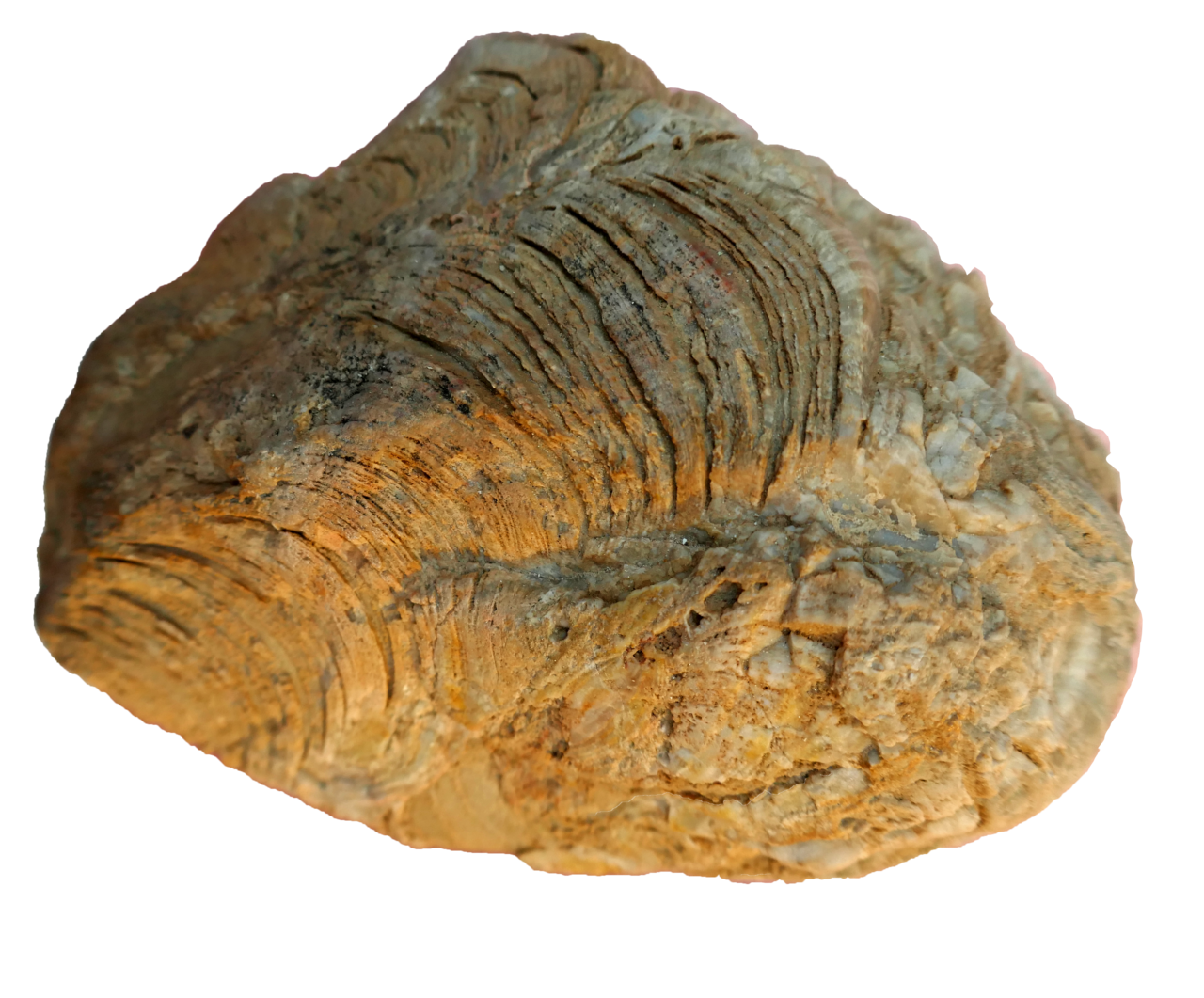
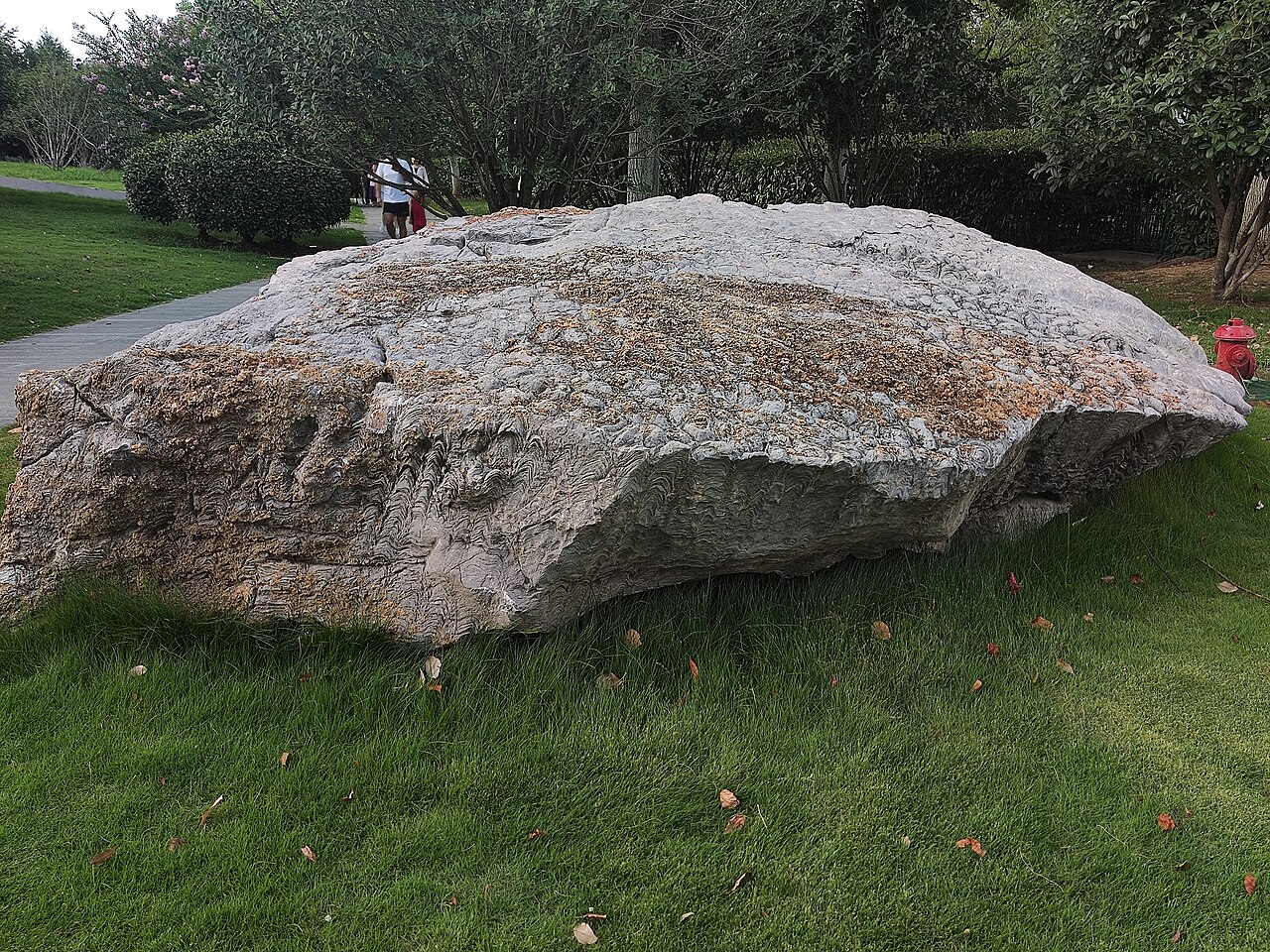
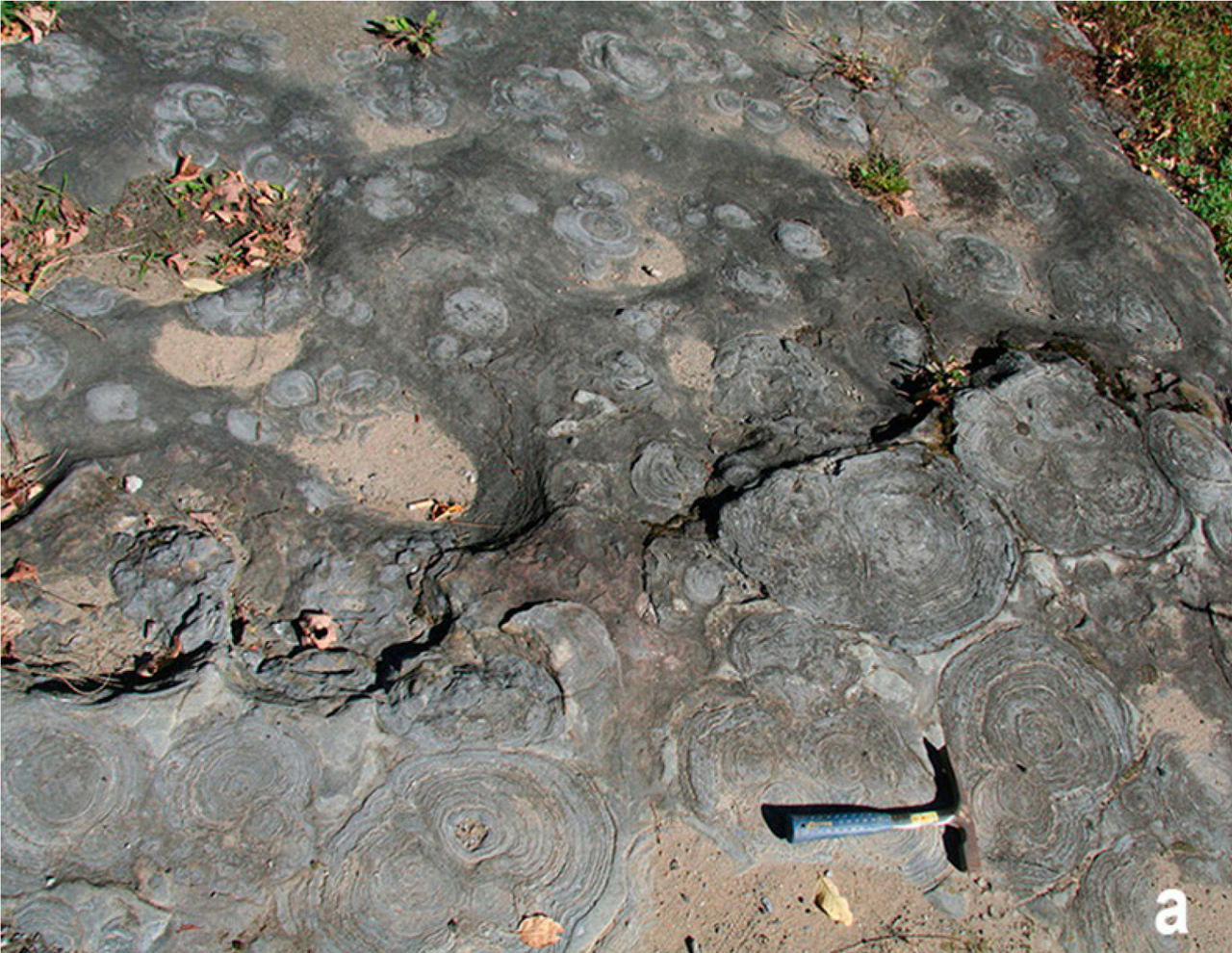
Stromatolites are layered sedimentary formations, also known as microbialites, created mainly by photosynthetic microorganisms such as cyanobacteria, sulfate-reducing bacteria, and Pseudomonadota. These microorganisms produce adhesive compounds that cement sand and other rocky materials to form mineralized microbial mats, which build up layer by layer over time. Fossilized stromatolites provide important records of some of the most ancient life on Earth, though living forms are rare in the Holocene.
- type
- Layered sedimentary formation (microbialite)
- primary_organisms
- Cyanobacteria, sulfate-reducing bacteria, Pseudomonadota
- formation_process
- Trapping, binding, and cementation of sedimentary grains in microbial mats
- peak_abundance
- About 1.25 billion years ago (Ga)
- modern_occurrence
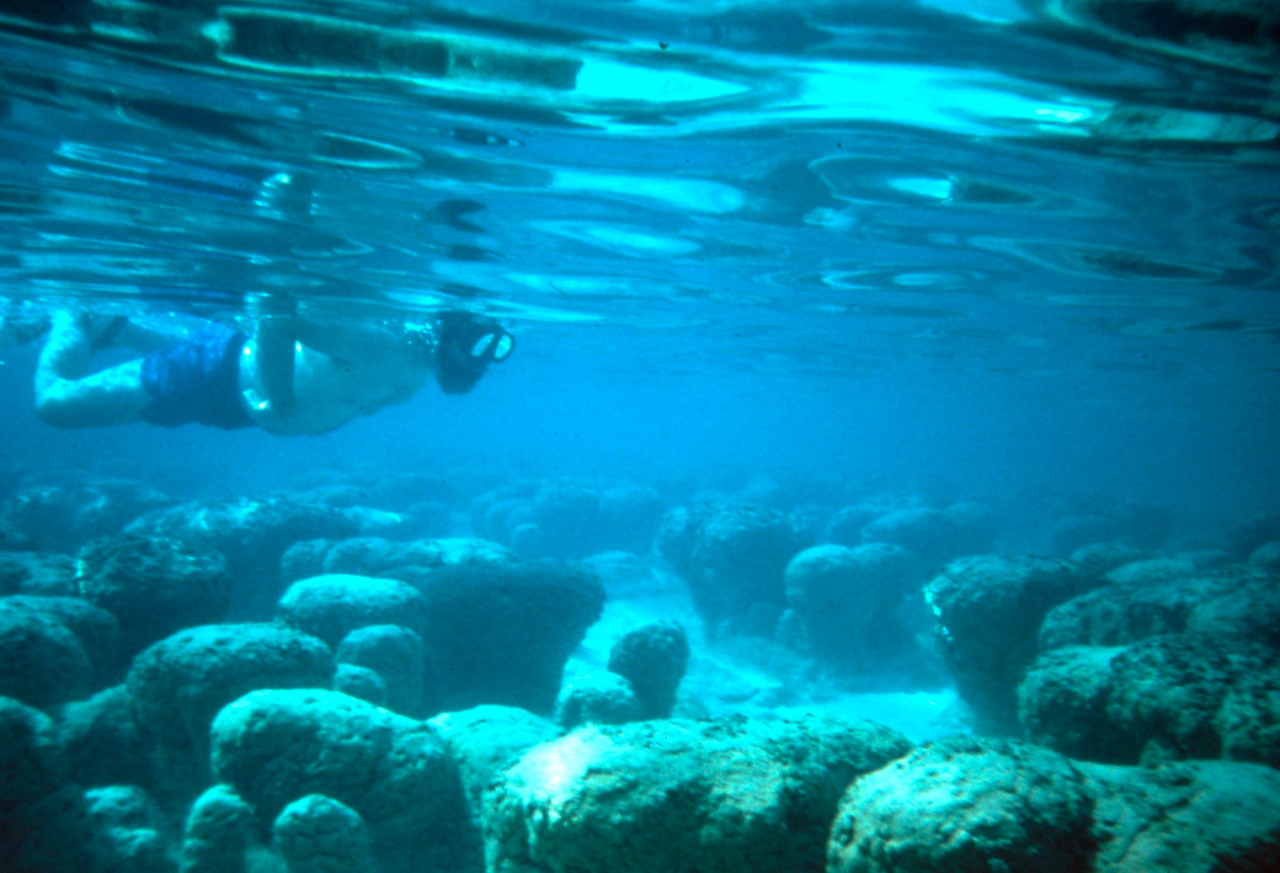
- Rare; mostly in hypersaline lakes and marine lagoons
- key_distinction
- Laminated texture distinguishes them from thrombolites (clotted, non-layered)
Lore & Background
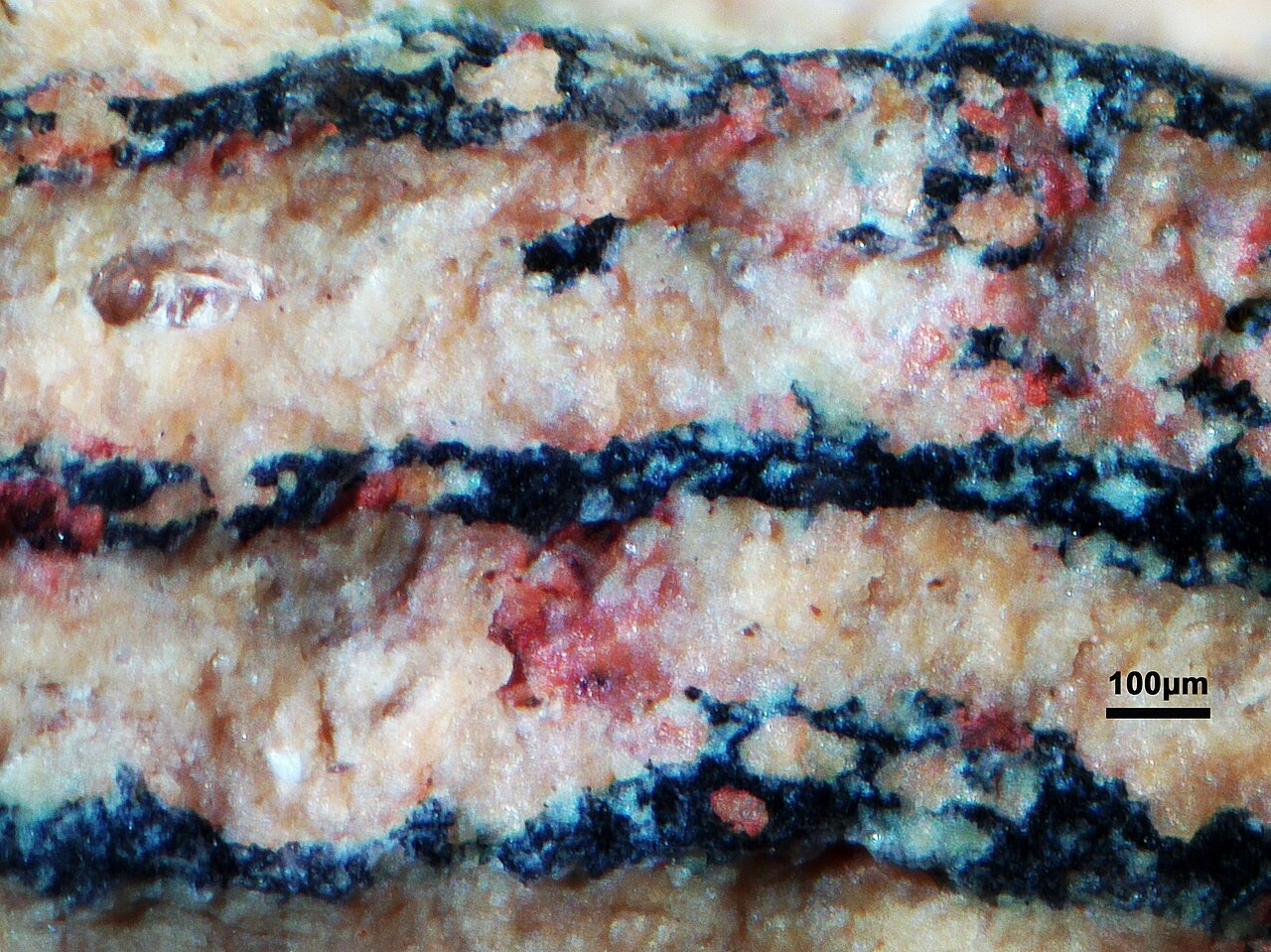
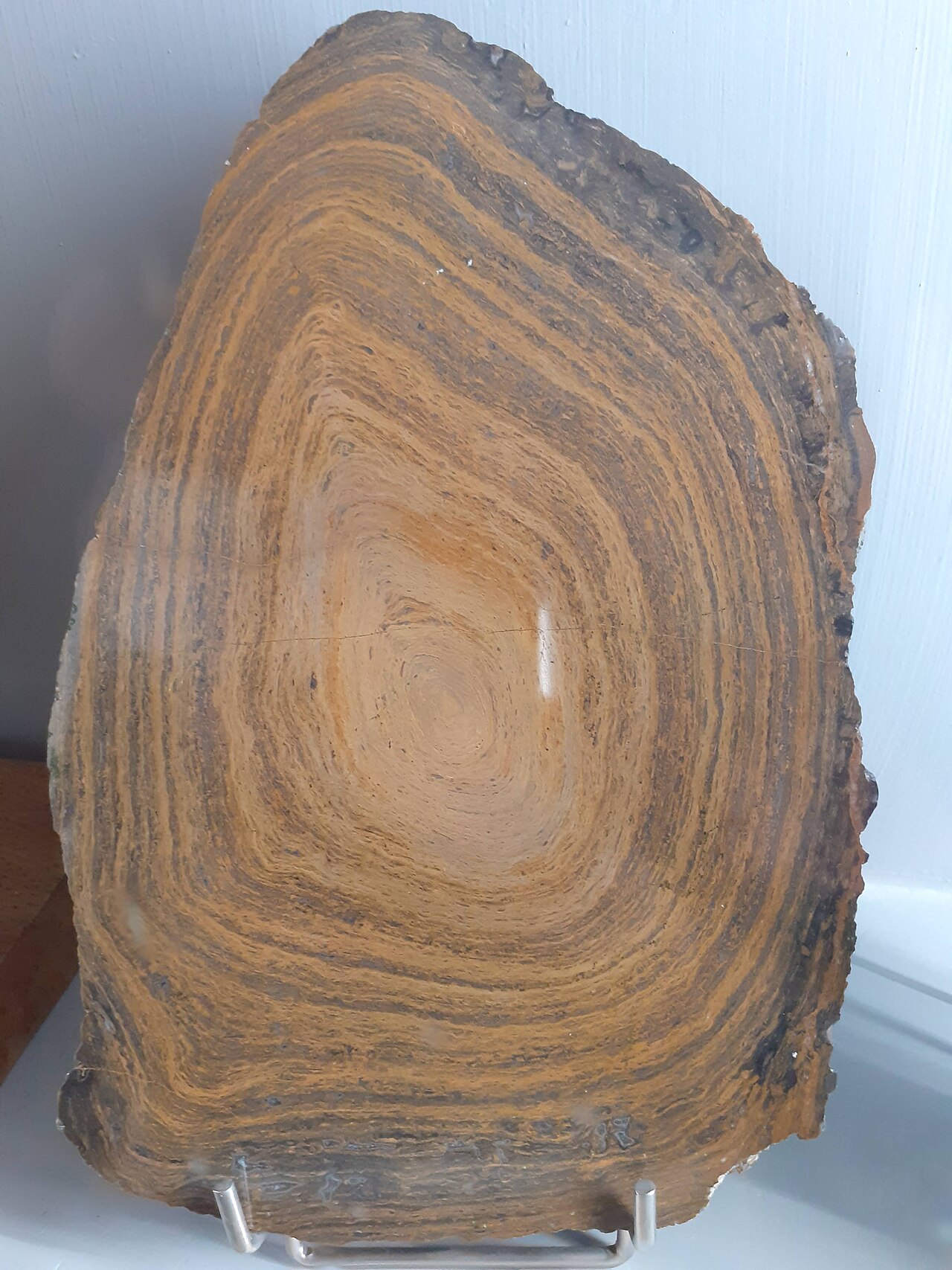
Stromatolites are formed by microorganisms that produce adhesive compounds, cementing sand and rocky materials into mineralized microbial mats. These mats grow layer by layer, generating the characteristic lamination. Different styles of lamination exist, studied through microscopic and mathematical methods. A stromatolite may grow to a meter or more. Fossilized stromatolites exhibit various morphologies, including conical, stratiform, domal, columnar, and branching types. They occur widely in the Precambrian fossil record but are rare today. Very few Archean stromatolites contain fossilized microbes, though they are sometimes abundant in Proterozoic stromatolites.
Reader's Guide
Stromatolites are a major constituent of the fossil record of the first forms of life on Earth. They peaked about 1.25 billion years ago and subsequently declined in abundance and diversity, falling to 20% of their peak by the start of the Cambrian. The most widely supported explanation is that stromatolite builders fell victim to grazing creatures during the Cambrian substrate revolution. Another hypothesis involves protozoa such as foraminifera favoring thrombolite formation through microscopic bioturbation. The connection between grazer and stromatolite abundance is documented in the Ordovician evolutionary radiation; stromatolite abundance increased after the Late Ordovician mass extinction and Permian–Triassic extinction event, then fell back as marine animals recovered. Factors such as environmental chemistry may also have played a role. Proterozoic stromatolite microfossils include cyanobacteria and possibly some forms of chlorophytes (green algae). One common genus is Collenia.
Did You Know?
- Stromatolites are distinguished from thrombolites by their layered internal texture; thrombolites have a clotted, non-layered texture.
- The term 'stromatolite' is sometimes confused with the misspelled word 'strombolite', a conflation of stromatolites and thrombolites.
- Halococcus hamelinensis, a halophilic archaeon found in living stromatolites in Shark Bay, possesses genes for repairing UV-induced DNA damage.
The Deepest Anchor of Life's History
Unlike the more ambiguous isotopic signatures found in older rock units, these laminated structures offer a tangible, morphological record of ancient microbial communities. They sit within a broader timeline: the Earth formed roughly 4.54 billion years ago, oceans followed at about 4.5 billion years, and life emerged within that narrow window—no later than 3.5 billion years ago, and possibly as early as 4.1 billion years ago based on biologically fractionated graphite in a single Jack Hills zircon grain. The Dresser Formation's stromatolites thus anchor the lower bound of what we can confirm with direct fossil evidence, making them the foundational reference point from which all subsequent evolutionary history is measured.
Reading Life in Isotopes
Before a fossil can be identified, geochemists rely on isotopic fractionation to detect biological activity in ancient rocks. Living organisms preferentially metabolize the lighter carbon-12 isotope over the heavier carbon-13, because breaking bonds in the lighter atom requires less energy. This leaves biologic material enriched in 12C relative to surrounding rock, a signature expressed as δ13C values in parts per thousand. Sulfur isotopes in barite, fractionated during microbial sulfate reduction, provide a complementary signal. In the 3.5 Ga Dresser Formation, both carbon and sulfur isotope patterns align with biological processes. However, the same fractionation can arise abiotically—through metamorphism, Fischer-Tropsch-type reactions in hydrothermal settings, or volcanic activity—making isotopic evidence powerful yet inherently ambiguous without corroborating fossil or mineralogical data.
The Contested Frontier
The search for Earth's oldest life is riddled with genuine scientific disagreement. The 3.7-billion-year-old Isua Supracrustal Belt in Greenland contains graphite with carbon isotope signatures suggestive of biological fractionation, and disputed reports describe convex-up, conical, and domical stromatolite-like morphologies in those metasediments. Yet subsequent mineralogical analysis has challenged the presence of internal convex-up laminae—a critical diagnostic criterion—leaving open the possibility that the structures are deformed abiotic features. Similarly, the Akilia Sequence's graphite has been reinterpreted as potentially produced by hydrothermal or volcanic processes rather than microbial metabolism. Even the Dresser Formation, while better preserved due to less metamorphism, was deposited in an active volcanic and hydrothermal setting where non-biological chemistry could still mimic biotic isotope patterns. The field remains a careful balance between compelling signals and legitimate doubt.
Architecture of an Ancient Microbial Mat
A stromatolite is not a single organism but a layered sedimentary structure built over time by photosynthetic microorganisms establishing a mat on a sediment surface. The organisms grow preferentially toward available light, producing the characteristic convex-up geometry and wavy lamination that distinguish a true stromatolite from a mere sedimentary deposit. These morphological features—convex-up structures, conical or domical shapes, and internally wavy laminae—serve as the primary criteria for confirming biogenicity in the fossil record. The microbial mat traps and binds sediment particles layer by layer, preserving a three-dimensional record of ancient community behavior. Because metamorphic processes can erase or distort these delicate laminations over deep geological time, the fossil record of stromatolites does not extend as far back as the geochemical record, making well-preserved examples like those in the Dresser Formation exceptionally valuable to paleobiologists.
Gallery
Frequently Asked Questions
What is a Stromatolite?
A stromatolite is a layered sedimentary structure, technically classified as a microbialite, built up over time by microbial mats that trap and cement mineral particles. Unlike clotted, non-layered thrombolites, stromatolites are distinguished by their distinct laminated (banded) texture.
How do Stromatolites form?
Photosynthetic and other microorganisms secrete sticky compounds that bind sand grains and other sediment into a cohesive mat. As successive generations of microbes grow and die atop earlier layers, the structure accumulates layer by layer into the characteristic banded rock we recognize as a stromatolite.
Which microorganisms are responsible for building Stromatolites?
Cyanobacteria are the primary architects, but sulfate-reducing bacteria and members of the Pseudomonadota group also contribute to the mat-building process. Together, these microbes produce the adhesive biofilms that trap and cement sedimentary grains into rock.
Why are Stromatolites important to science?
Fossilized stromatolites serve as some of the oldest physical evidence of life on Earth, preserving records of early biological activity. They peaked in abundance roughly 1.25 billion years ago, and their study helps scientists reconstruct how ancient ecosystems functioned long before complex multicellular life evolved.
Can you still find living Stromatolites today?
Yes, but they are quite rare in the modern Holocene era. The surviving examples tend to inhabit extreme environments such as hypersaline lakes and sheltered marine lagoons, where competition from higher organisms is limited enough to allow the microbial mats to persist.
More in Microbial Groups And Extremophiles 1-17
Spotted an error? Know more?
This is a living reference — every entry is fact-audited, and reader corrections feed straight into our audit queue. Suggest an edit · See this site's audit record